logo of design your homeschoolhomeschool photos

Homeschool Planning - Write your Homeschooling Goals

homeschool organization

Back to Step Five: Design Your Approach

Move to Step Seven: Homeschool Support how to homeschool organization

You need to know where you are headed in order to be organized in your homeschooling and to be able to write out your homeschool goals. This is STEP ONE on my website.

On my page about "Setting Goals - Is it really important", I write:

Without setting goals, you can aimlessly do everything! We can easily be swayed by all the curriculum packages and lovely materials we see around us. If we are not sure of our own goals, we can easily follow along and pick and choose materials and continue to load up our children with "excellent content", but without direction and prior knowledge of where we are going and why we are adding on curriculum upon curriculum. Our own homeschool planning in the early stages will help us not to aimlessly do everything!

Without setting goals, you can aimlessly do nothing! Without goals or adequate homeschool planning, you can allow the day to follow day, month to follow month, year to follow year, without a plan. It doesn't mean that you aren't hoping that education will happen, or that good character traits will be formed, but at the same time, you are not actively pursuing it. Will you look back at those years with confidence that you were guiding and training your children? Perhaps not.

Without setting goals, you can do wonderful activities, but not know why! You can end up doing someone else's goals, or be swayed toss and forth by the latest homeschooling fad." For myself, I know it is very easy to do what my good homeschooling friend is doing; or decide to let my children choose their entire curriculum because that was what I read in the latest article or at the latest conference. Working against yourself and working to someone else's goals is probably one of the greatest ways to experience burnout, frustration or disappointment. Read more here.

However, if you have worked through your homeschooling goals - and know what you want to teach, you can plan how it will be done and you can also set out to write your homeschooling goals.

In order to do this homeschool planning now, I encourage you to review the Homeschooling Goals (Step One) section of my website and then return here once you know where you are headed.


Homeschool Planning - Writing your Homeschool Goals

Big Picture Goals

Firstly, make a list of the Relational, Practical and Academic goals you have for your family as discussed on the page about Setting Educational Goals.

You may use this page for your homeschool planning - Our Homeschooling Goals to write your big picture goals.

Homeschool Curriculum or Course of Study

The next step when doing homeschool planning is to outline the details of a homeschool curriculum which you decide for your family. As I have mentioned on the Homeschool Curriculum page, (Step Two) I am not referring specifically as to "what" to use, but rather the variety of subject areas which you determine to be important to achieve the big picture goals. You will now need to write goals for each specific subject.

Goal Writing for a Specific Subject

As I go about my homeschool planning and write specific goals for each subject area, I have found it useful to write:

  1. A summary or foundational statement about the subject area (broad objectives)
  2. A Skills list for each subject - Find Skills lists under each Subject Sitemap on my navigation bar.
  3. Homeschool materials or homeschooling supplies which I may use to fulfill the objectives. See the Skills, Method, Materials example here.

In the examples below of my own homeschool planning, I have used History as the subject. Each Goals chart would be different for each subject area.

Here is an example of Broad Goals of a subject area using History as the subject:

Subject Area

Foundational Statement

Learning Activities 

History

As a family, we see the need to understand the place of man in the world and his relation to God and his neighbour.  We need to study decisions that man has made in history in the light of the environment and the beliefs he holds, and to judge those actions by Biblical standards and consequences, in order to see the way in which God has worked in His World.


We intend to look at time periods chronologically, and explore the events and the characters therein. 

Using this framework, we will read, memorize some important facts and dates, and discover God’s good plans, his mercy and love as a Creator, Provider and Sustainer. 

We will see changes that have occurred since the fall of man and consequences thereof, and how all creation can and is called to praise and bring glory to their Creator.

Reading- Reading aloud and personal reading list of historical fiction novels and living books in the time period.
Reading the literature from the time period.
Reading about the scientists in the time period.
Reading Art History.
Reading about the World Views/ philosophies of the time period.

Drawing: Artefacts, fasion, maps, characters, weapons..

Writing: Different forms of writing explained by the Write Source Handbooks

Research using encyclopedias and the internet.

Art: Activity guides on life in the time of...

Discussion: pre-writing discussions, questions, debating

Presentations: History Notebooks, End of term presentations; Speeches, Orations


The History Skills, Method and Materials Chart - in more detail.

Notice that the skills for History are Reading, Listening, Writing, Communicating and Presenting - in more depth and with more detail as children develop and mature.

Stage

Skills

Methods

Materials

Pre-Grammar (Age 6-10)

Reading

Listening- being read to and being able to comprehend and re-tell (narrate) what was being said.

Reading

  • Non-Fiction-  Living books/ Textbooks/ Encyclopedias/ Internet articles and websites
    • Read about:
    • Culture- Way of Life
    • Society
    • Family
    • Government
    • Toys and Games
    • Art
    • Wars
    • Famous People
    • Famous Events
  • Fiction- historical fiction
  • Biographies

Writing

  • Writing about people from the past.
  • Re-tell the stories – first orally and then written narrations.
  • Copying passages from biographies or primary source documents.
  • Making a time-line – adding dates
  • Draw maps of the places being studied; 
  • Draw a map of where you live.


Communicating

  • Re-telling an historical event or life story of an historical character.
  • Giving an oral report of a historical character.
  • Memorize a famous speech.
  • Discuss what it would be like to live in the time-period/ engage in the war/ be in a family at that time.
  • Discuss differences in our lives now and in the past.
  • Discuss the structure of a society – class, roles, occupations ;  Compare this to our own life.

Presentation

  • Copy a portrait of a famous person.
  • Draw a time-line.  Add details.  Add your own details.
  • Draw a map of where you live, and where the people you are reading about live.
  • Draw a picture of the historical event.
  • Make a model of an event or an invention.
  • Make some art from the time period.- copy an artist/ make a mask/wall painting/ mosaic
  • Play some games from the time period.
  • Cook some of the foods from the past.
  • Make a visual display board.
  • Make a History Book.
  • Make a song.


Reading.

-Each child will narrate after the history reading.

-Children will listen to read alouds.

-Children will read independent books appropriate to their age and level.


The narration will be written in their history book.

A time-line will be viewed and characters and events will be added as they are learned. 

The children will place the events in order.


Discussion
Oral Narration
Recitation of a famous speech.


Drawing

Copying work from Artists of the Time period

Mapping

Each week an age-appropriate craft will be incorporated into the history lesson.

Play-writing


Read aloud books  as outlined in the Tapestry of Grace Program, TruthQuest, Sonlight


Independent Reading books in the time period – from library and Tapestry of Grace, TruthQuest, Mystery of History, Sonlight or Diana Waring.


Wall time-line.
Time-line cards.


Famous Oration Collection Vol1-12


Craft books-
 Story of the World Activity Book – includes craft ideas;  Also internet ideas from the TOG website.

Craft Books from the library.

Art History Books

Grammar (Age 10-12)

The above skills and:
Reading:

  • Biographies
  • Primary Source Documents
  • Reading aloud – speeches, orations
  • For research projects and assignments

Writing:

  • Draw maps of the places being studied; 
  • Compare maps of the historical time period with where we live.
  • Writing a story from the perspective of an historical character.
  • Outlining – articles/ speeches/


Communication:

  • Discuss what it would be like to live in the time-period/ engage in the war/ be in a family at that time.
  • Discuss differences in our lives now and in the past.
  • Discuss the structure of a society – class, roles, occupations ;  Compare this to our own life.
  • Discuss government of the time period.  Discuss similarities and differences between then and now.


Presentation:

  • Make a time-period costume.
  • Present a play.
  • Play some games from the time period.
  • Cook some of the foods from the past.
  • Make a visual display board.
  • Make a History portfolio.
  • Make a song.

Listening

Independent Reading

Recitation

Research


Map drawings

Story writing

Written Narrations

Outlining articles


Discussion:
From readings

Discuss Government


Designing simple costumes- handcrafts.

Play writing
Making Games
Cooking
Display Boards
Song writing

Primary Source Documents

Famous Orations in the time period


Discussion questions from Tapestry of Grace


Craft Books
Websites
Activity Book for Story of the World

Logic (Age 13-15)

All of the above, plus:
Reading:

  • Primary Source Documents
  • Reading aloud – speeches, orations
  • For research projects and assignments


Writing:

  • Comparing different author’s viewpoints on a similar topic.
  • Writing about the significance of a Primary Source Document.
  • Writing about the context of a historical character in time and location.
  • Writing argumentative essays on  historical or present day issues.
  • Writing cause and effect essays.
  • Writing essays of comparison.
  • Writing about the impact of historical events on society.
  • Writing about the influence of the geography on historical events.


Communicating:

  • Discuss the structure of a society – class, roles, occupations ;  Compare this to our own life.
  • Discuss government of the time period.  Discuss similarities and differences between then and now.
  • Discuss reasons for events.
  • Discuss spiritual and moral consequences of events.
  • Discuss cause and effect of the historical events  and the famous characters involved.


Presentation:

  • Make a powerpoint presentation.
  • Make a History portfolio.
  • Make a video of a play or a working model.
  • Write a web page on a theme/ character/ event.


In depth reading.
Recitation

Research


T- charts
Venn diagrams
Compare/contrast charts- graphic organizers

Essay Writing- variety of styles


Discussion


Drawing

Working with computer technology.
Using video.
Web page writing.

Primary Source Documents – online.

Harvey Bluedorn's Ancient Sources Book

Timetables of History


Writing Handbook on teaching essay styles


Tapestry of Grace Discussion questions.


Computer and software

Video

Rhetoric (Age 16-18)

Reading:  Philosophical/ Worldview readings
               Primary Source Documents
Writing:  Writing the Research Paper


Homeschool Planning - Yearly Program

From these specific goals in History, I write a very similar outline (in fact, I copy and paste) of how we will develop the same set of skills in that year for the different ages of the children I am teaching. It doesn't matter what content you are studying (as far as historical time period) because the set of skills remain the same - we're just developing and fine tuning them year by year.

I include another column where I add the specific details - writing assignment, books we read, art projects that are specific to that time period. See my History Bookshop for recommended resources.

As you can see, I have copied and pasted from my above table to present this:

History Outline for 2009 - Time Period: Ancients, Creation to the Fall of Rome

Skills

Materials being used

Specific Activities

As above- From ages 8 - 15

Reading

Listening- being read to and being able to comprehend and re-tell (narrate) what was being said.

Reading

  • Non-Fiction-  Living books/ Textbooks/ Encyclopedias/ Internet articles and websites
    • Read about:
    • Culture- Way of Life
    • Society
    • Family
    • Government
    • Toys and Games
    • Art
    • Wars
    • Famous People
    • Famous Events
  • Fiction- historical fiction
  • Biographies

Writing

  • Writing about people from the past.
  • Re-tell the stories – first orally and then written narrations.
  • Copying passages from biographies or primary source documents.
  • Making a time-line – adding dates
  • Draw maps of the places being studied; 
  • Draw a map of where you live.

Communicating

  • Re-telling an historical event or life story of an historical character.
  • Giving an oral report of a historical character.
  • Memorize a famous speech.
  • Discuss what it would be like to live in the time-period/ engage in the war/ be in a family at that time.
  • Discuss differences in our lives now and in the past.
  • Discuss the structure of a society – class, roles, occupations ;  Compare this to our own life.

Presentation

  • Copy a portrait of a famous person.
  • Draw a time-line.  Add details.  Add your own details.
  • Draw a map of where you live, and where the people you are reading about live.
  • Draw a picture of the historical event.
  • Make a model of an event or an invention.
  • Make some art from the time period.- copy an artist/ make a mask/wall painting/ mosaic
  • Play some games from the time period.
  • Cook some of the foods from the past.
  • Make a visual display board.
  • Make a History Book.
  • Make a song.

Grammar: All of the above, plus:
Reading:

  • Primary Source Documents
  • Reading aloud – speeches, orations
  • For research projects and assignments

Writing:

  • Comparing different author’s viewpoints on a similar topic.
  • Writing about the significance of a Primary Source Document.
  • Writing about the context of a historical character in time and location.
  • Writing argumentative essays on  historical or present day issues.
  • Writing cause and effect essays.
  • Writing essays of comparison.
  • Writing about the impact of historical events on society.
  • Writing about the influence of the geography on historical events.

Communicating:

  • Discuss the structure of a society – class, roles, occupations ;  Compare this to our own life.
  • Discuss government of the time period.  Discuss similarities and differences between then and now.
  • Discuss reasons for events.
  • Discuss spiritual and moral consequences of events.
  • Discuss cause and effect of the historical events  and the famous characters involved.

Presentation:

  • Make a powerpoint presentation.
  • Make a History portfolio.
  • Make a video of a play or a working model.
  • Write a web page on a theme/ character/ event.

Logic: All of the above, plus:
Reading:

  • Primary Source Documents
  • Reading aloud – speeches, orations
  • For research projects and assignments

Writing:

  • Comparing different author’s viewpoints on a similar topic.
  • Writing about the significance of a Primary Source Document.
  • Writing about the context of a historical character in time and location.
  • Writing argumentative essays on  historical or present day issues.
  • Writing cause and effect essays.
  • Writing essays of comparison.
  • Writing about the impact of historical events on society.
  • Writing about the influence of the geography on historical events.

Communicating:

  • Discuss the structure of a society – class, roles, occupations ;  Compare this to our own life.
  • Discuss government of the time period.  Discuss similarities and differences between then and now.
  • Discuss reasons for events.
  • Discuss spiritual and moral consequences of events.
  • Discuss cause and effect of the historical events  and the famous characters involved.

Presentation:

  • Make a powerpoint presentation.
  • Make a History portfolio.
  • Make a video of a play or a working model.
  • Write a web page on a theme/ character/event.
 

Tapestry of Grace Year One

-Read aloud books

-Individual readings

-Project ideas


Streams of Civilization Vol 1

Read Aloud books from a variety of sources

Story of the World Vol 1

Story of the World Activity Guide

Kingfisher history Encyclopedia

Cultural Atlas of Ancient Egypt


Write Source 2000: A Guide to Writing, Thinking and Learning

History Notebooks


History Notebooks

Websites

Library books


History Notebooks


Classical Kids Activity Book


Ancient History from Primary Sources by Harvey Bluedorn

Read aloud books:


Paper Model of the Tabernacle.


This is just an example from the subject of History. You would follow the same format if you were outlining Science or Math. Use the skill charts which I have completed so far: (General Math Skills, Language Arts: Reading, Writing, Listening, Speaking ) as a base from the different subject areas and make it suit your situation.


More pages on Homeschool Planning :

How to Homeschool - Organization Sitemap

Read the details here:

  1. How to Homeschool: What method suits your family? Your homeschooling approach will affect your physical space.
  2. Where: Organize your homeschooling supplies - materials and physical space
  3. When: Homeschooling Schedules - Organize your homeschooling schedule or routine.
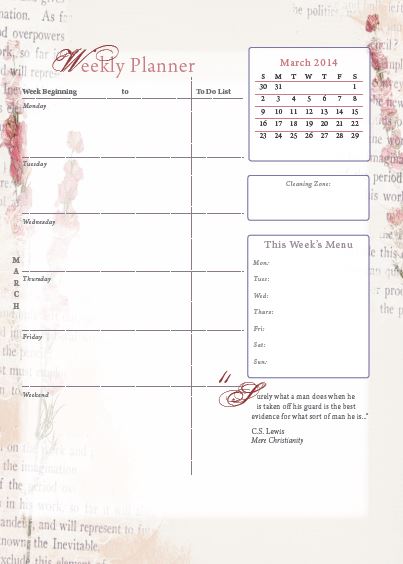
  4. Homeschool Planner Options


New! Comments

Have your say about what you just read! Leave me a comment in the box below.


SBI!


Fun, Hands-on Approach to Science. We love it! Check out the Free Sample here.

Keep-on-Track Ezine Subscribe today to Keep on Track for a Newsletter filled with Bi-Monthly News, a new goal/character focus, Curriculum Application, Organizational Tips, encouragement and support, all sent from my mail box to yours.
Email

Name

Then

Don't worry -- your e-mail address is totally secure.
I promise to use it only to send you Keep on Track.

Next Book we are reading:

431120: Viking Quest Series #1: Raiders from the Sea


Modeling the Classics
Integrated Language Arts Lessons from The Hobbit

modeling the classics - Language Arts Lesson Plans from The Hobbit


My Book Recommendations

homeschool art Bible resources homeschool history homeschool science Homeschool Math Curriculum language arts resources music resources foreign languages thinking skills


Follow Us!
facebooktwitterrss feed

Join our Affiliate Program

Homeschool Top Sites - Best Homeschool Sites on the Internet


homeschool-affiliate-program

Join our Affiliate Program


Keep up with What's New at Design Your Homeschool

[?] Subscribe To This Site

XML RSS
Add to Google
Add to My Yahoo!
Add to My MSN
Subscribe with Bloglines


My Favourite General Homeschooling Books:
5290X: For the Children"s Sake: Foundations of Education for Home & School

117112: Teaching the Trivium: Christian Homeschooling in a  Classical Style

437020: Educating the Wholehearted Child, 15th Anniversary Edition

42463: Honey for a Child"s Heart Fourth Edition


Copyright© 2006-2011. www.design-your-homeschool.com
Online Advertising and SEO Services by Smart SEO.

web metrics